Shut Down GEO Aurora Campaign presents
HOUSED IN ICE-OLATION
A COMMUNITY ACCOUNTABILITY REPORT
SPRING 2026



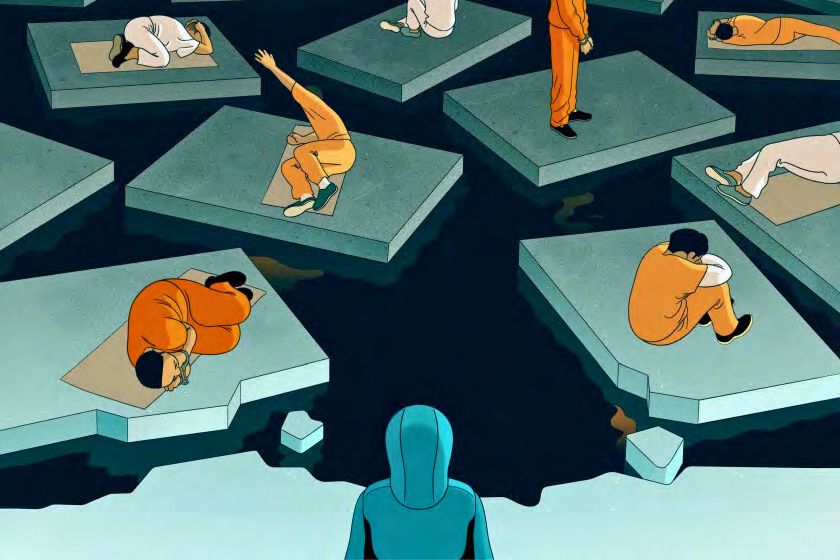
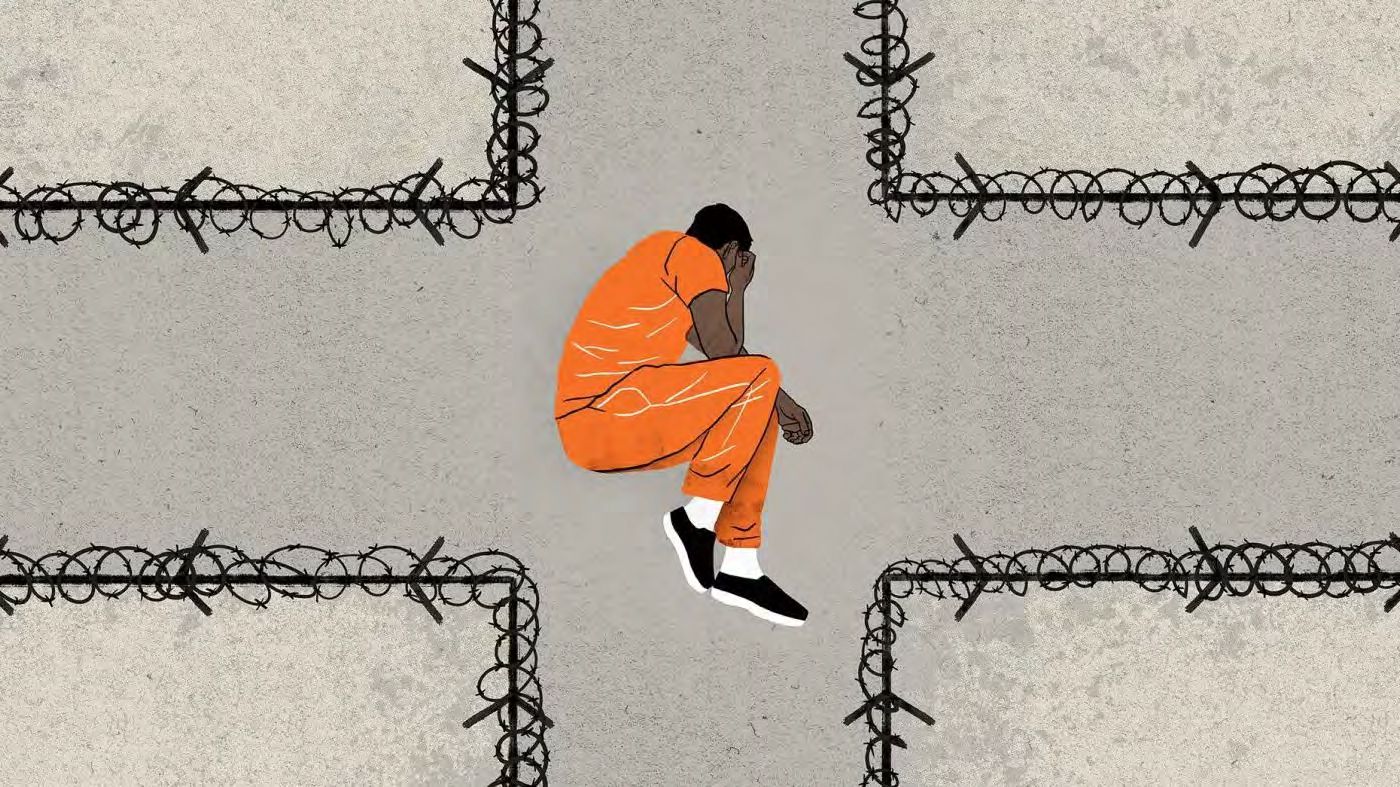
Artwork Credit: Bianca Bagnarelli for Bloomberg Businessweek
TABLE OF CONTENTS
- Land Acknowledgment Page 4
- Purpose Page 5
-
- What is GEO?
- Housing Not Detention Page 6
-
- One Big Disastrous Bill
- Profit from Pain Over the Safety Net
- Keep Families Together, Keep Communities Stable
- Data Analysis Page 12
-
- Methodology
- Understanding Qualitative Data
- Future Directions
- Ingenuity Resilience
- Medical Concerns Page 13
-
- New Diagnoses From Being Detained
- Types of Treatments Provided in Detention
- Lack of Treatment for Pre-existent Medical Conditions
- Improper Medical Response
- Detention Physician Sued for Wrongful Death Still Practicing
- Additional Instances of Medical Care Mismanagement
- Hospitalizations
- Living Conditions Page 21
-
- A Look Inside
- Extreme Temperatures
- $1 per Day “Voluntary Work Program”
- Sharecropping by a Different Name
- History of $1 per Day “Volunteer Work Program”
- Sleep Issues
- Wake Ups and Counts
- Other Reasons for Lack of Sleep
- Extracurricular Activities
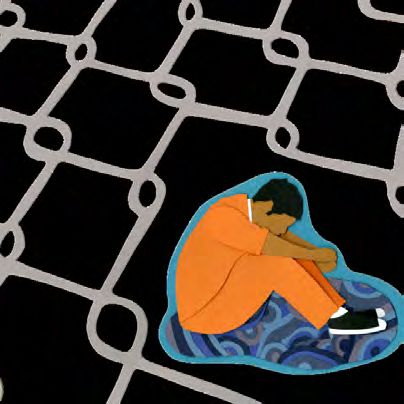
Artwork Credit: Bethany Izard for STAT
TABLE OF CONTENTS
- Guard Behavior Page 29
-
- Solitary Confinement
- Abuse
- Arbitrary & Capricious Punishment
- Food Insecurity Page 34
-
- Food Safety Provisions
- Food Lacks Variety Almost Exclusively Processed Items
- Deprivation of Food as Punishment
- Manufacturing Hunger to Maximize Profits
- Visitor Perspective Page 39
- Locating Detained Individuals Page 42
-
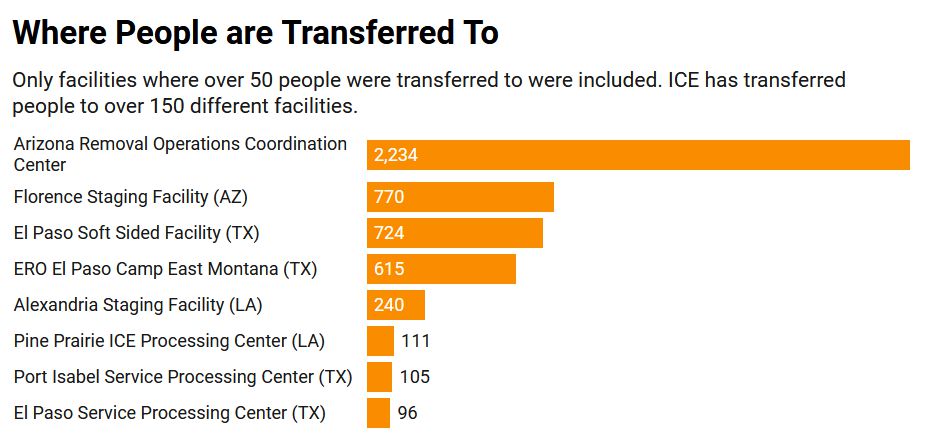
- Systemic Problems
- Communication Barriers
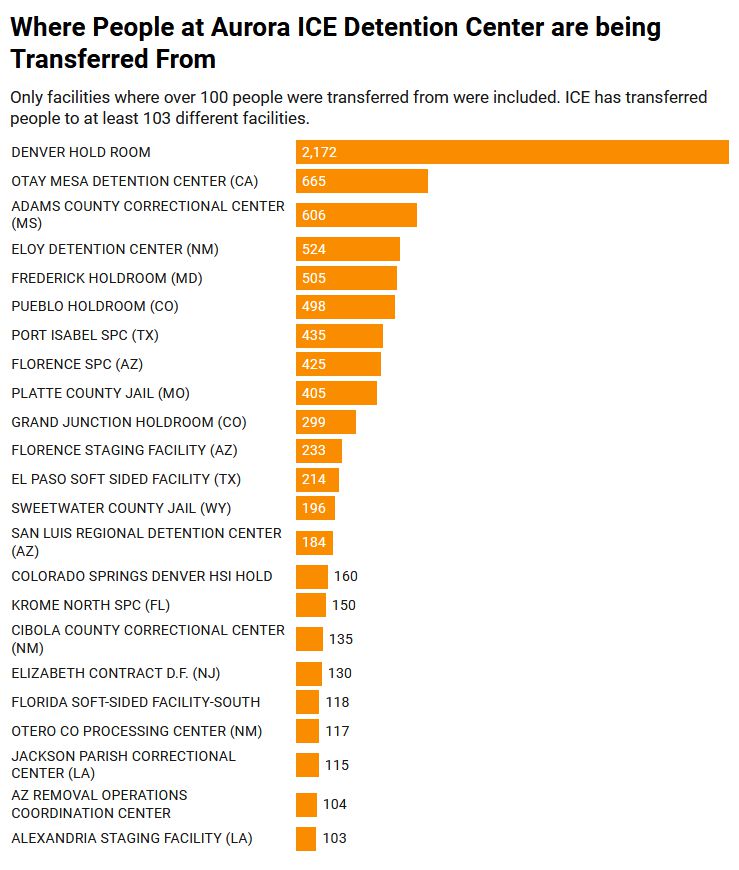
- The Broader Transfer Network
- Legal Concerns Page 45
- Systemic Transformation Page 46
-
- Re-Broken Windows
- Housing Barriers When Undocumented
- Targeting Breadwinners
- Conclusion Page 49
- Our Demands Page 49
- Calls to Action Page 51
- Acknowledgments Page 52
- The Legacy of AFSC Page 52
- Bibliography Page 54
- Media Requests Page 56
- Endorsements Page 57
LAND ACKNOWLEDGMENT
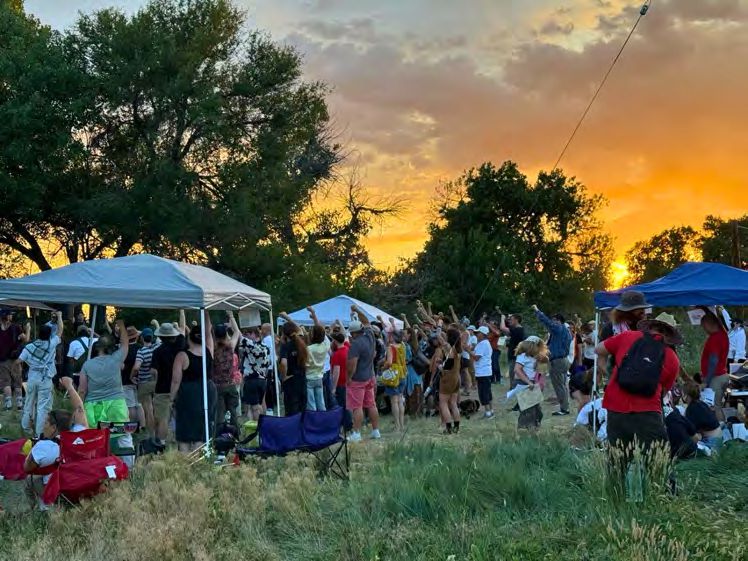
The Shut Down GEO Aurora Coalition honors the Indigenous Peoples of the land. This detention center exists on the traditional and ancestral lands and waters of the Tséstho’e (Cheyenne), Očhéthi Šakówiŋ (Sioux), hinono’eino’ biito’owu’ (Arapaho), Núu-agha-tʉvʉ-pʉ̱ (Ute), and Ndé Kónitsąąíí Gokíyaa (Lipan Apache) peoples.
We recognize that government, academic, and cultural institutions were founded upon and continue to enact exclusions and erasures of Indigenous peoples. Mass dehumanization, kidnapping, displacement, and ultimately genocide of a targeted population is not a new occurence - it is repetition of an insidious cycle, a pillar of the American origin story. As such, a land acknowledgment is a mere starting point. As we reside on these stolen lands, we must honor the spirit of the Elders of past, present, and future, and those who have stewarded this land throughout generations. In honoring this spirit, we must treat the land and those on it with dignity and humanity. We must continue to work to close Aurora GEO and for the liberation of all people.
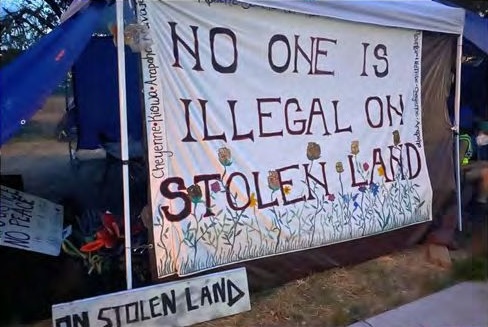
When society constructs separate categories such as “immigrants”, “refugees”, or “Indigenous”, it can falsely imply little to no overlap. However, many so-called immigrants and refugees are Indigenous to the land they were born on. The Shut Down GEO Aurora says “no one is illegal on stolen land” because a human being’s existence can never be inherently illegal, and because we reject the colonial construct of borders that block natural migration and imprison Indigenous people on their rightful land, asserting that all people possess fundamental human dignity and rights.
PURPOSE
While Representative Jason Crow’s office has conducted oversight visits to Aurora GEO since 2019, documenting some conditions inside, Rep. Crow’s staff are denied access to many spaces and the report is often based on self reported data from ICE and GEO Group, Inc. Our report is an effort to expand upon the work of Rep. Crow’s office through direct documentation of abuses and inhumane conditions from people trapped inside the facility.
What is GEO?
The Denver Contract Detention Facility, often referred to as the Aurora GEO Immigration Detention Center, is a for-profit immigrant detention facility in Aurora, CO owned by the GEO Group, Inc. Immigration and Customs Enforcement (ICE) contracts with GEO but has broad discretion over whether a person is free during their immigration case or held in detention. More than 85% of people ICE has detained have had zero contact with the criminal justice system, and 90% of people in detention are in private facilities. GEO profits from the detention of people who are immigrants in three ways:
- Charging per bed filled by ICE. The federal government pays your tax money directly to GEO Group, an estimated $150-200 per person per day detained in Aurora (NYT 2025).
- Cutting costs dramatically. The less GEO Group spends, the more profit for investors.
- Trading publicly on the stock market and being included in mutual funds or retirement funds.
Though GEO doesn’t publicly report earnings from each site, GEO annually earns over $2.4 billion across all sites. In the US. Rep. Crow’s February 2026 report stated 1,376 people are detained at the facility (CO Newsline, 2026). We estimate GEO Group’s Aurora facility receives $47 million per year from the federal government. The facility has been the target of multiple lawsuits and sustained public outcry - for a timeline about the history of the facility visit our website - ColoradoWithoutCages.org.
HOUSING NOT DETENTION
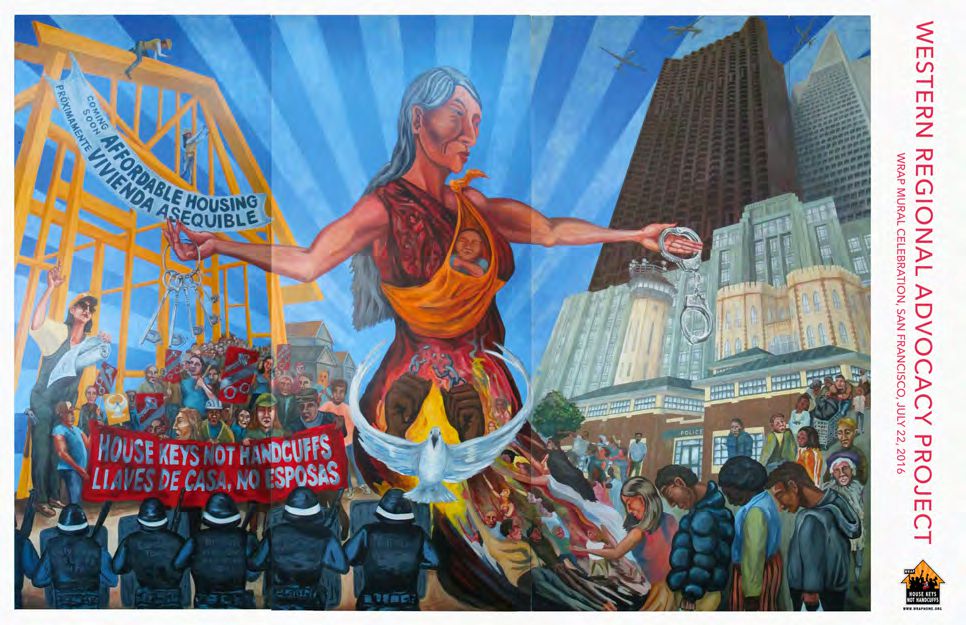
This second report is anchored by Housekeys Action Network Denver, a housing justice, racial justice advocacy organization that fights for housing as decided by those without it. “Housing For All” is a motto claiming dignity as a necessary component of safe and healthy housing. “Housing Not Detention” recognizes detention is not a dignified or humane space. Housing is a human right and an attainable goal - we must transform how our tax dollars are spent, repurposing the hundreds of billions of funds used to detain and deport our community members into much needed accessible, affordable, subsidized housing, that strengthen and protect our community. HAND and the Shut Down GEO Campaign envision a future where individuals and families have a safe, warm, and dignified place to call home and raise their children no matter where they’re from; a future where we’ve ended the practice of separating and warehousing humans in cold, cruel facilities.
One Big Disastrous Bill HR1
The current administration’s approach to immigration is marked by unprecedented financial investment in ICE. Since July of 2024, Congress increased ICE and Border Patrol budgets tenfold. The budget is larger than the entire federal prison system and most country’s military budgets (Feng & Cole, 2025). This decision has come at a cost as the Administration cuts social safety net programs like SNAP, Medicaid, and public housing. Enacted in July 2025, the “One Big Beautiful Bill Act” (H.R. 1) authorized an unprecedented amount of funding - over $170 billion - to expand immigrant detention and deportation and destabilize border communities. The funds, to be spent by September 30, 2029, are allocated as such:
| Spending Category | Funding Amount |
|---|---|
| Construction and maintenance of border wall, CBP checkpoints, and CBP facilities | $51.6 billion |
| Border Patrol agents and vehicles, and Federal Law Enforcement Training Center inprovements | $7.8 billion |
| Border technology and vetting | $6.2 billion |
| Operation Stonegarden (funding to state and local law enforcement agencies to support border enforcement) | $450 million |
| Border processing, including for unaccompanied children, remain in Mexico, and expedited removal | $2.1 billion |
| Prosecutions of noncitizens, compensating local governments for incarcerating noncitizens, combatting drug trafficking, immigration judges | $3.3 billion |
| Detentiomn capacity expansion | $45 billion |
| Enforcemnent and removal, including hiring ICE agents, transporation costs, and detaining families | $29.9 billion |
| State immigration and border encforcement cost-reimbursement funds | $13.5 billion |
| DHS cost-reimbursement fund for border enforcement | $10 billion |
| DOD support for immigration and border enforcement | $1 billion |
| Total | $170.7 billion |
Table Credit: American Immigration Council
Profit from Pain Over the Safety Net
HR1, the One Big Disastrous Bill passed by Congress, dedicates over $42.5 billion annually from 2025 to 2029 to immigration enforcement agencies and detention - nearly three times the amount proposed to end houselessness. To make matters worse, a surprise announcement from the US Department of Housing and Urban Development (HUD) on November 13, 2025 suddenly cut the largest federal program providing funding to combat houselessness - the Continuum of Care (CoC) Program Competition. This will cap spending on permanent housing at 30% when it’s currently being spent at a rate three times that (88%), effectively causing over 170,000 people nationwide to lose their supportive housing.
The National Alliance to End Homelessness calculated that a $9.6 billion addition to the $5.45 billion in Housing First program funding annually could house every US household in shelter in 2022, opening up program space for unsheltered households. This conservative estimate of $15.05 billion annually would create dramatic socio-economic shifts with lasting impacts on our society, by first uplifting those most in-need.
Currently the government is causing a crisis of compounding vulnerabilities: poverty criminalized, immigration weaponized, and housing rendered unattainable. The housing crisis is not just a matter of economics. It is a matter of policy choices that prioritize detention over dignity – punishment over protection.
Keep Families Together, Keep Communities Stable
To address housing insecurity and end the human rights violations unfolding in our communities, we must recognize and dismantle the intersection of immigration enforcement and poverty criminalization. Keeping families together in affordable housing – not apart in detention centers – benefits everyone. It reduces strain on overcrowded shelters, keeps children in school, and fosters long-term stability for families who contribute to the fabric of our society. The path forward requires rejecting fear-driven policies and embracing solutions that treat both housing and migration as human rights.
Please read our Systemic Transformation section (pg. 46) to see our vision and further analysis on this moment.
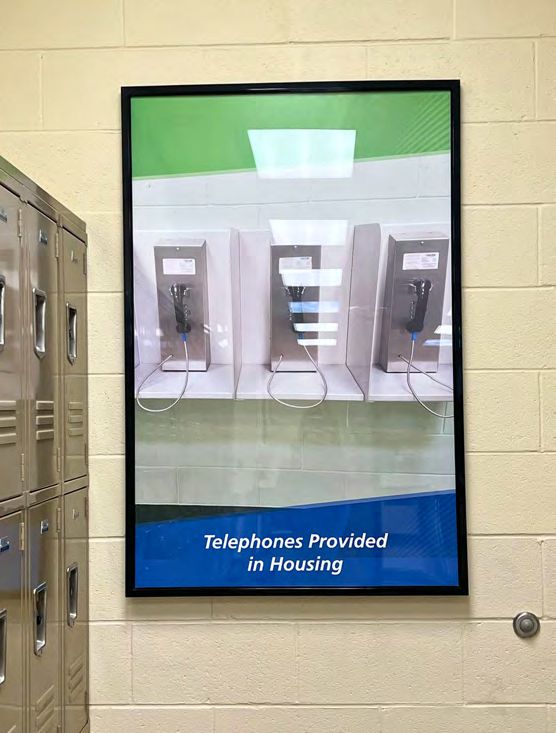
Photo Credit: anonymous
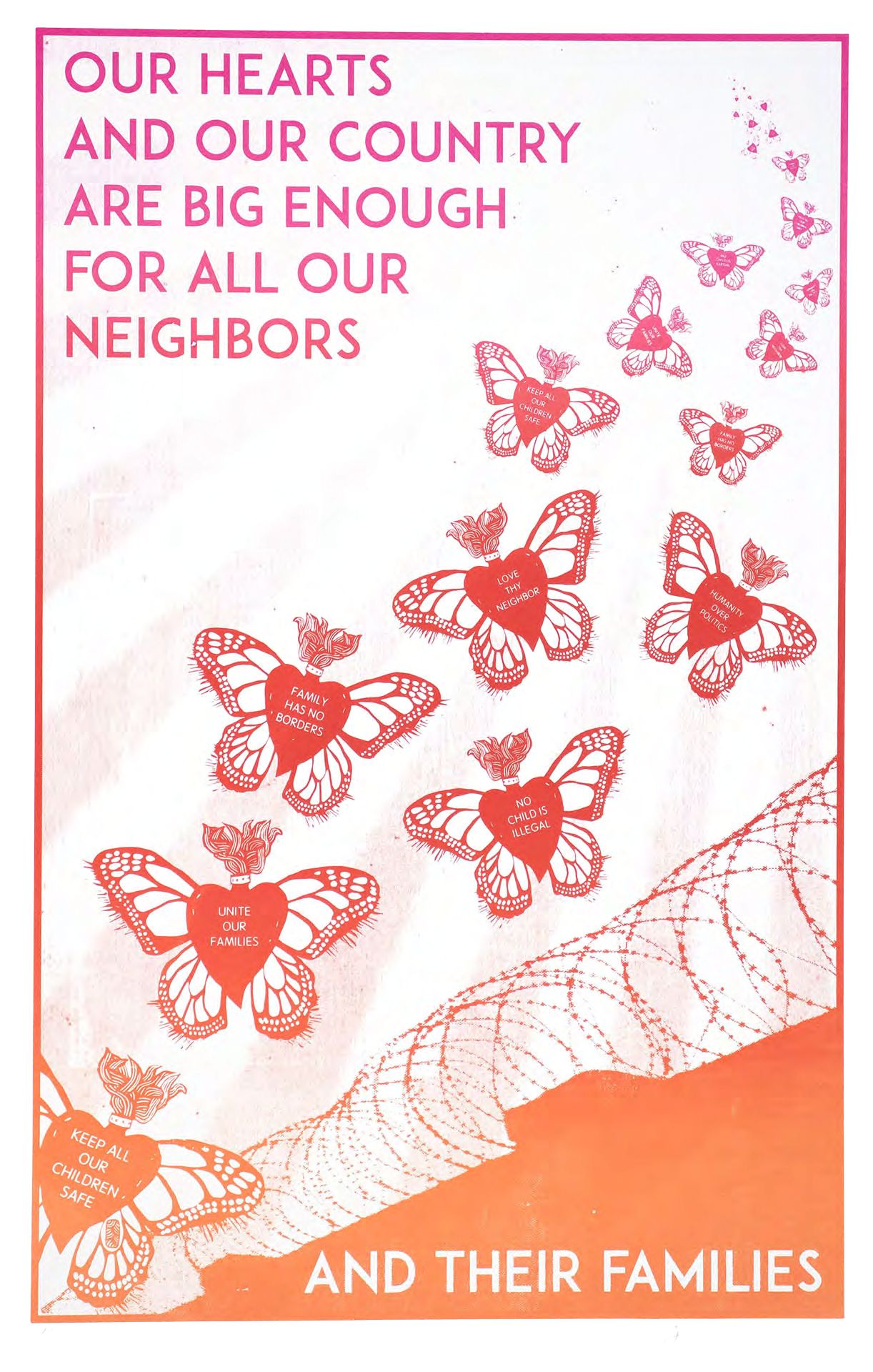
This poster is of one of several that hang on the walls of the waiting room of the Aurora GEO facility that describe the detention facility as “housing”. This choice of language is intentional and dangerous - further elucidating the need to include the fight for actual, safe, and stable housing for ALL, regardless of immigration status, in conversations about ending unjust detention.
FUTURE DIRECTIONS
While the open-ended nature of the complaint form allowed respondents to express themselves without restriction, it also revealed areas where further specificity may provide more detail as to the detainee experiences. For example, the form did not ask detained people which pod or annex they are in. Including this data is likely to reveal differences in treatment/conditions between areas, and potential discrimination towards detained people perceived as “higher-risk”. Portion size of food has reportedly decreased as population size has increased, as GEO attempts to maintain/increase profits off the detention of our community members, and future reports may track this trend with more pointed questions surrounding portion sizes. While Congressman Jason Crow’s office used to request the menu and visually check thermometers/food safety provisions, December 9, 2025 was the last report that included data on food temperatures and variety of food. Our Campaign would be interested in resuming such questioning to verify safety standards of food throughout its preparation and serving after people who are detained have described food in-depth as sub-standard. When trying to confirm how many kitchens are in the facility, this information could not be obtained.
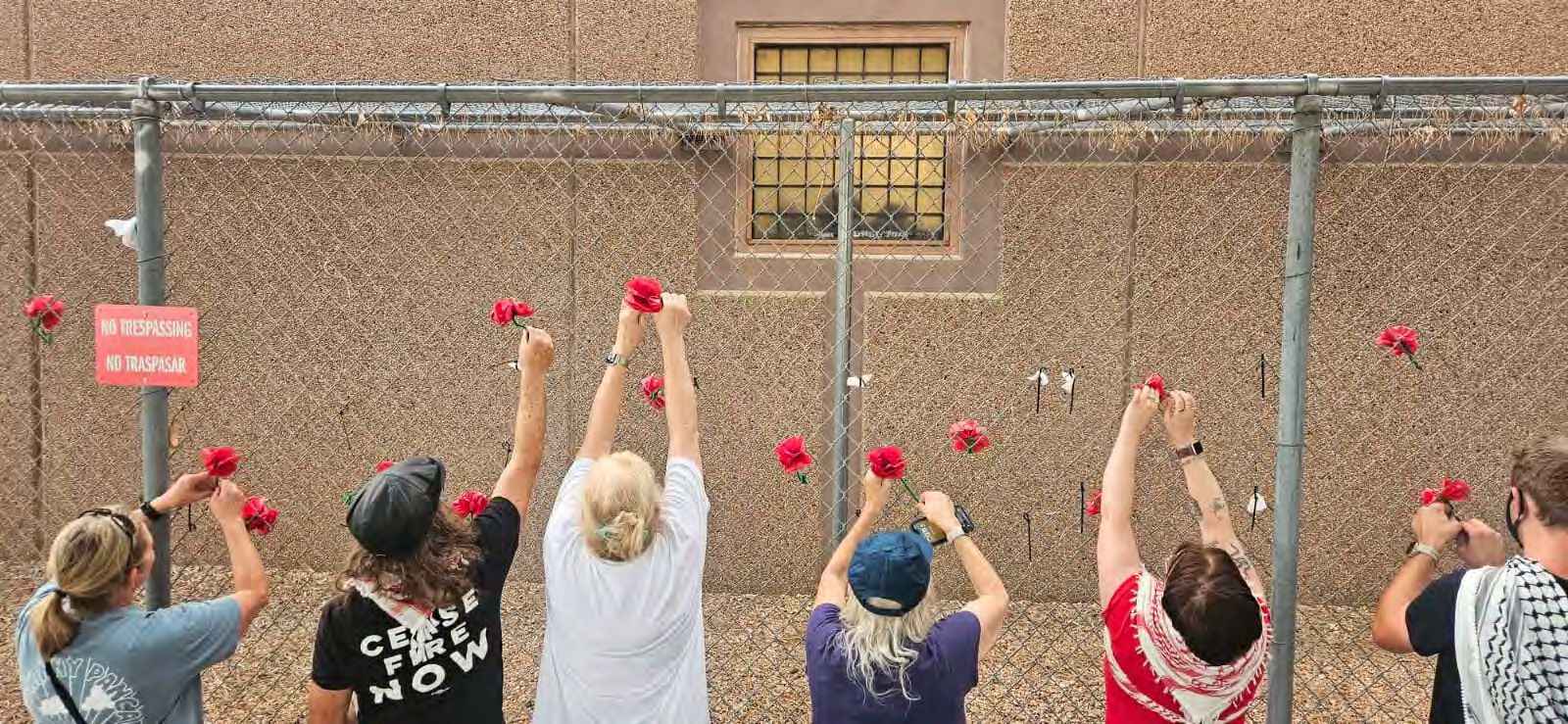
Ingenuity & Resilience
Beyond illustrating the experience of peopled detained with regard to GEO’s oppressive conditions, it is also worthwhile to uplift on the proclivity for ingenuity and resilience of these individuals, in spite of the system they are forced into.
For example, one person detained started a chess tournament to alleviate boredom stemming from lack of extracurriculars and keep their minds sharp. The same individual used the elastic element of latex gloves to create strings for a make-shift guitar. Another detailed the process of making jewelry from toothpaste, shredded plastic bags, shampoo, sugar, and the ink of pens.
Additionally, people detained have taken collective action to protest their conditions: whether in the form of a hunger strike, commissary boycott, or signing a petition against a particularly cruel guard. These actions are testament to our community’s autonomy, leadership, continued perseverance, and humanity against all odds.
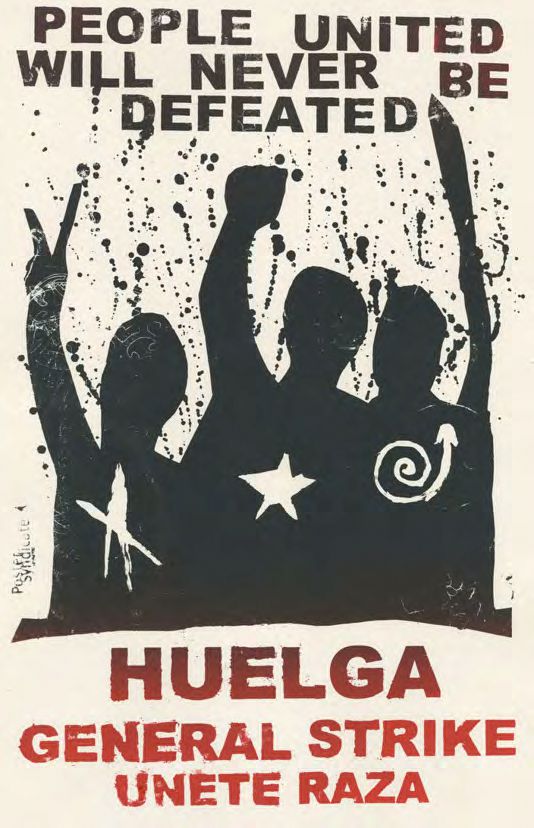
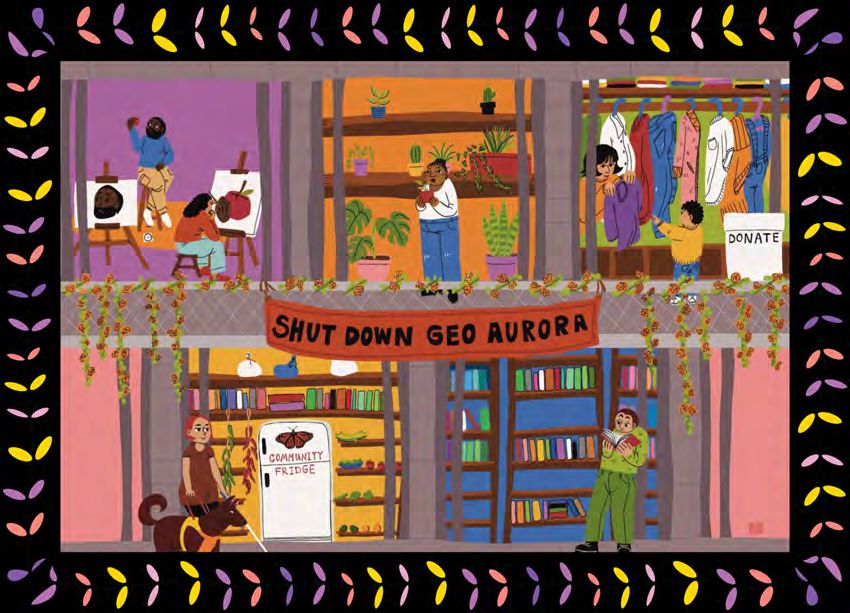
Artwork Credit: Poster Syndicate
DATA ANALYSIS
Methodology
31 submissions were collected - a combination of complaint forms submitted to the Shut Down GEO Campaign between September 24th, 2025 through February 14th, 2026 alongside interviews conducted by the Aurora Listening Project. A semi-structured statistics interview approach was used as open-ended questions were asked about detained people’s experiences pertaining to four main categories: Medical Concerns (161 mentions), Living Conditions (82 mentions), Guard Behavior (68 mentions), and Food Insecurity (48 mentions). Single submissions often included multiple mentions under these 4 complaint categories. These were then analyzed using thematic categorization and general conceptualization. 362 separate mentions of various themes were sorted into respective categories. Throughout the report, the n value - most commonly denoting sample size - here-in will refer to the number of mentions of a particular theme rather than the number of respondents, so as to account for multiple form submissions having been submitted for the same individual across numerous visits. While sample sizes of the report are below statistical significance, respective themes deduced from the data reflect what community has long been aware of.
Understanding Qualitative Data
Qualitative data obtained was entirely based on firsthand accounts from people either formerly or currently detained. Direct experience accounts provide a richness and authenticity in understanding of conditions inside. Heightened emotion and trauma can impact how individuals recount their experiences, however the frequency of certain comments categorized into broader themes reveal the quantity of similar accounts and patterns that paint the picture of reality while detained. It is critical to believe and uplift the voices of those most impacted in their experience and for their expertise, especially when it comes to advocating for related policy and legislative changes.
MEDICAL CONCERNS
"I was diagnosed as pre-diabetic here. My feet are swelling and the doctor gave me different socks to wear. I have gotten the wrong medication about 2-3 times. One of the times I had an adverse reaction to the medication I got. I couldn't breathe, it felt like I was choking."
New Diagnoses From Being Detained
Out of 161 mentions pertaining to Medical Conditions, 23.6% ( n=38 ) were regarding the development of new diagnosis acquired during - and likely attributed to - respondents’ detention at the GEO facility. The vast majority of those mentions pertained to physical conditions (92.1%, n=35 ) as opposed to mental health conditions (7.9%, n=3). The most commonly mentioned physical conditions were flu, some unidentified illness, and uncontrollable vomiting. These were then followed by cold, cough, and two different individuals both reported severe allergic reaction directly caused by GEO-prescribed medications. These cases led to emergency hospitalization. 20 other physical conditions were mentioned just once - notable occurrences include anemia, likely attributed to diet deficiencies, a gastric ulcer, head trauma from being knocked unconscious by another person detained (for which the victim was sent to solitary confinement), kidney stones, and even a heart attack.
As for the mental health conditions acquired in detention, the three mentioned were anxiety, depression, and suicidal tendencies to the point where one individual made an attempt to end his own life. Despite this being preceded by notable mental health decline and cries for help, it wasn’t until this senior citizen with mounting health problems attempted suicide that he was sent to the infirmary and placed on 24/7 watch.
Types of Treatments Provided in Detention
Of the 31 mentions of people receiving treatment for conditions, 93.5% ( n=29 ) were for physical conditions. These were medications, the advice to “drink water”, a blood checkup for anemia, and a medical evaluation at intake. Medication was the most common form of intervention mentioned (when it took place) at 75.9% (n=22). The types of medication most mentioned were some oral pills unknown to the recipient (31.8%, n=7) to treat a variety of conditions - from high cholesterol, to excessive mucus, headaches, high blood pressure, kidney stones, and given daily to an individual in a wheelchair.
Ibuprofen was the next most mentioned (27.3%, n=6 ) as a response to general body pain, chest pain, fevers, flu, headache, and even uncontrollable vomiting. People detained often described this as being insufficient for the extent of their suffering. Benadryl was administered as both an injection and oral dose in two cases when a GEO facility physician had caused severe allergic reactions in patients by prescribing the wrong medication.
The only treatments mentioned by respondents for mental health conditions were an initial psychiatric evaluation at intake, and sleeping medication for severe PTSD exacerbated by being detained. It is not uncommon, and is completely understandable, for people detained to experience heightened emotional, mental, and spiritual duress in immigrant detention. They describe feeling afraid, bored, insane, lonely, panicked, sad, and traumatized.
Often these situations add strain on the romantic partners of people who are detained. Partners face their own struggles by having to manage a household and care for children alone after having lost a large portion of financial and physical support, causing reasonable friction in relationships as they both navigate grief and increased hardship.
Lack of Treatment for Pre-existent Medical Conditions
Pre-existent medical conditions were mentioned across submissions 28 separate times. The majority of these mentions (71.4%, n=20 ) were for physical conditions, for which 85.0% ( n=17 ) of individuals detained had never received any form of treatment, or had received inappropriate or incomplete treatment, sometimes resulting in hospitalization. Of these conditions, dental pain was mentioned by three different respondents. Other notable conditions include a gastrointestinal infection, GERD, IUD-related pain, Lyme’s disease, and testicular varicocele.
Of the submissions received for this report, those with pre-existent mental health conditions did not report receiving treatment. While certain individuals with mental health concerns sought support in the form of medication or therapy, they were often ignored.
"[Name redacted] has been having dental pain that has not been checked yet, it hurts to eat and it also gives her a hard time to go to sleep. She also told me that there are a lot of people who are struggling with mental health issues. There are some women that will scream at night... She said that one of the women that screams is very, very sick, extremely pale and skinny. She said that when it is her time of the month (the woman that is extremely skinny), she doubles down in pain."
Improper Medical Response
14.3% ( n=23 ) of mentions regarding Medical Concerns describe instances where GEO healthcare staff mismanaged medical cases. More than half of these instances (56.5%, n=13 ) detail the denial of prescribed medications. Some of the conditions for which medications were denied were GERD/IBS medications (46.2%, n=6 ), eye conditions (23.1%, n=3 ), and single instances each of anxiety medication, cholesterol control, fish oil vitamins, and Lyme’s disease.
There have been at least three recently reported cases where individuals seeking some other form of support - often treatment for an unrelated physical health condition, like a skin rash or persistent cough - are instead subjected to psychological evaluations and told they have some form of mental health disorder (one that they have never been diagnosed with before). Such diagnoses can be hugely consequential in one’s legal immigration case, whether by expediting their process, or causing the court to rule that one is too mentally incompetent to participate in their own removal hearings.
"All I could do was sleep most of the days to make them go by faster because there’s nothing you can do in there. Yesterday I was sleeping and the psychologist asked if I was crazy and that bothered me a lot, I said I wasn’t crazy, so they sent me to the clinic for being crazy but that’s how I finally got seen by the clinic. They treat people who are sane like they’re crazy and don’t give any help to people who actually need it. Here a lot of things happen like you don’t have human rights... It’s unjust."
Detention Physician Sued for Wrongful Death Still Practicing
Two separate incidences described people prescribed medication by a GEO healthcare physician as having undergone a serious adverse allergic reaction that resulted in their hospitalization. In one case, medical case notes shared with the permission of the person detained revealed the name of the prescribing physician - Dr. Cary Walker. This is the same physician implicated when Novo Legal group sued GEO Group and Dr. Walker in 2024 for the wrongful death of Melvin Calero Mendoza (May, 2025). Mr. Calero Mendoza was an athletic 39 year old Nicaraguan asylum seeker, doting partner, and father of two children aged seven and 15 years old at the time of his death in 2022 - just months after turning himself in at the U.S.-Mexico border (May, 2025).
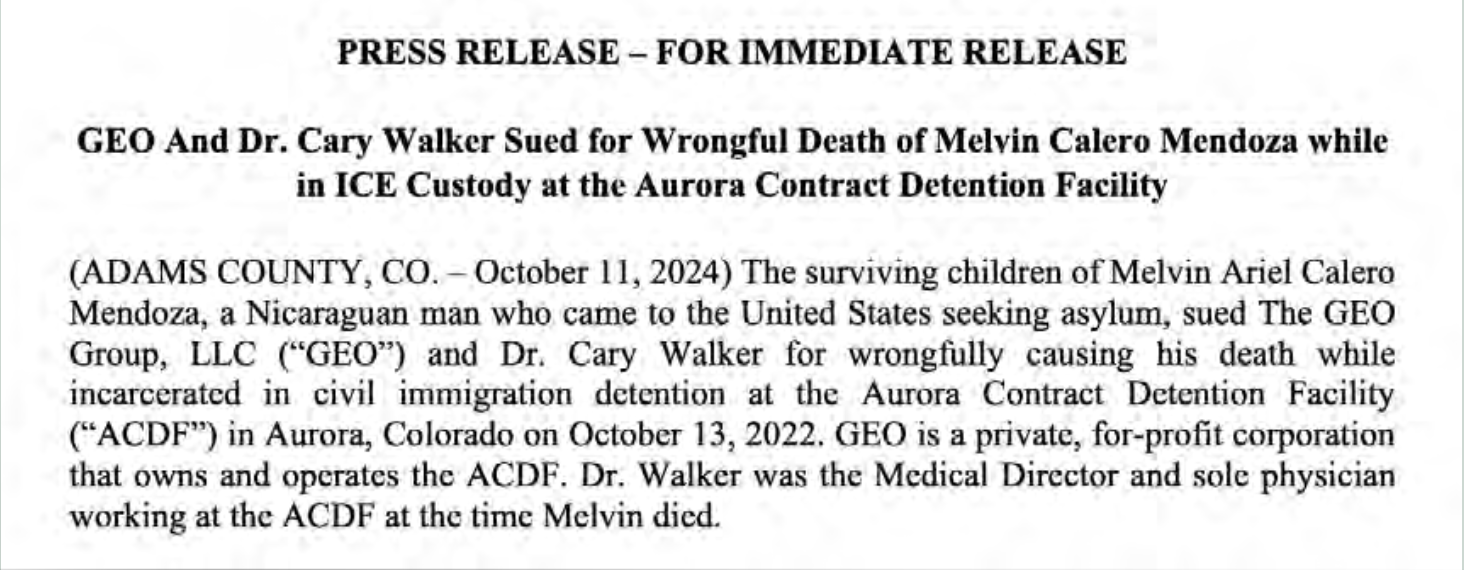
At a press conference regarding the lawsuit, Aaron Slade, an attorney with Novo Legal Group representing the family, said,
Melvin died because the medical staff here failed to diagnose and detect dangerous blood clot in his right leg. A key issue in this case is the failure of GEO medical staff to refer Melvin to a higher level provider, including a doctor or even a registered nurse. The only care that Melvin received in those weeks leading up to his death was from a low level, entry-level medical provider who was not qualified for diagnosis, treatment, or medical decision making. (May, 2024)
Less than two years later, the same physician continues to practice at Aurora GEO with potentially fatal consequences.
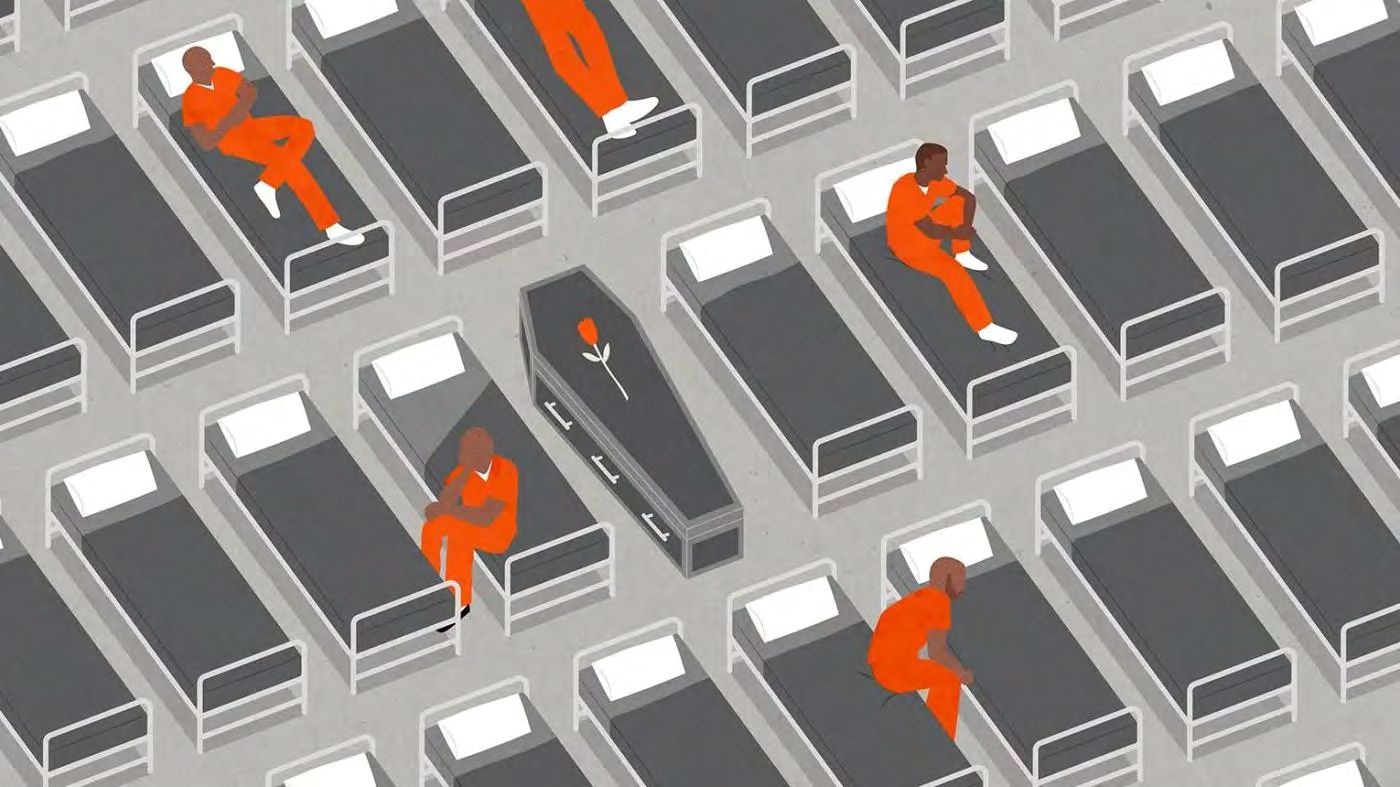
Mr. Calero Mendoza sought care at least three times following an increasingly painful toe injury from playing soccer that eventually lead to blood clots and his preventable death - yet he only ever received over-the-counter pain medication. His was the third death at the facility in 10 years. An article by Rocky Mountain Immigrant Advocacy Network (RMIAN 2024) about the lawsuit reveals a deeply troubled recent history:
In 2017, Kamyar Samimi, an Iranian, died at the ICE detention center after the facility’s doctor removed him from his prescribed methadone. And in 2012, detention staffers waited more than an hour to call 911 after Evalin-Ali Mandza — a 46-year-old immigrant from Gabon with no known heart issues — suffered a heart attack. An investigation by the ACLU of Colorado in 2019 alleged multiple incidents that lacked care or competence. Examples include:
- A detainee once suffered broken fingers when a guard slammed a door on his hand.
- Another had his leg amputated, necessitated after staffers ignored complaints about bedsores.
- A man died of a heart attack in 2012 after an untrained staff member was unable to properly operate the EKG machine.
- A man was brutally beaten in 2017 by other detainees because of his sexual orientation. Reported fears for safety before the attack went unheeded. Despite blurry vision and a ringing in his ears, suggesting a concussion, the staffer's only treatment was Tylenol.
The last point, alongside Melvin’s story, make the aforementioned reports of Ibuprofen still being used as the sole treatment for an array of conditions even more insidious.
Additional Instances of Medical Care Mismanagement
Other examples of ongoing mismanagement include: regularly waking up a man in his late seventies with anemia for a medical check between 1am-3am, robbing him of his sleep; denying someone glasses who is reliant on them to see; not quarantining people during an infectious outbreak; and nurses and guards mocking and dismissing someone in the throws of a life-threatening adverse allergic reaction which then led to hospitalization.
Hospitalization
Hospitalization was mentioned six different times across five different submissions, revealing a dark pattern of neglect:
- “... there was an emergency, they called 911 and sent the person to a hospital...”
- “He has not been able to get the as-needed medications at all, and per records, some regular medications were discontinued, leaving him with no relief for symptoms and no control of GERD, and he ended up in the ER with a severe exacerbation...”
- “... [in] September he became very ill and was taken to UCHealth where he was diagnosed with H-Pylori/gastric ulcer...”
- “...the nurses gave him pills/an injection. After one hour he fell down and vomited, after that the supervisors and guards took him to the hospital, had kidney stones...”
- “Symptoms to send someone to the hospital = fall down, vomit,heart attack”
Many of these instances paint a picture of hospitalizations as crisis response following on-site medical neglect. Other notable medical themes include long wait times before being seen by a medical specialist, people losing weight while detained, and people not wanting medical treatment due to a (reasonable) distrust of the on-site healthcare staff and the facility in general.
LIVING CONDITIONS
"He sleeps next to a cold wall and the vents are always blowing cold air... Says lights are on 24/7, and television also, they put the volume up really high. He doesn’t sleep very well, usually stays up until around 3am reading the Bible until his body just gives in."
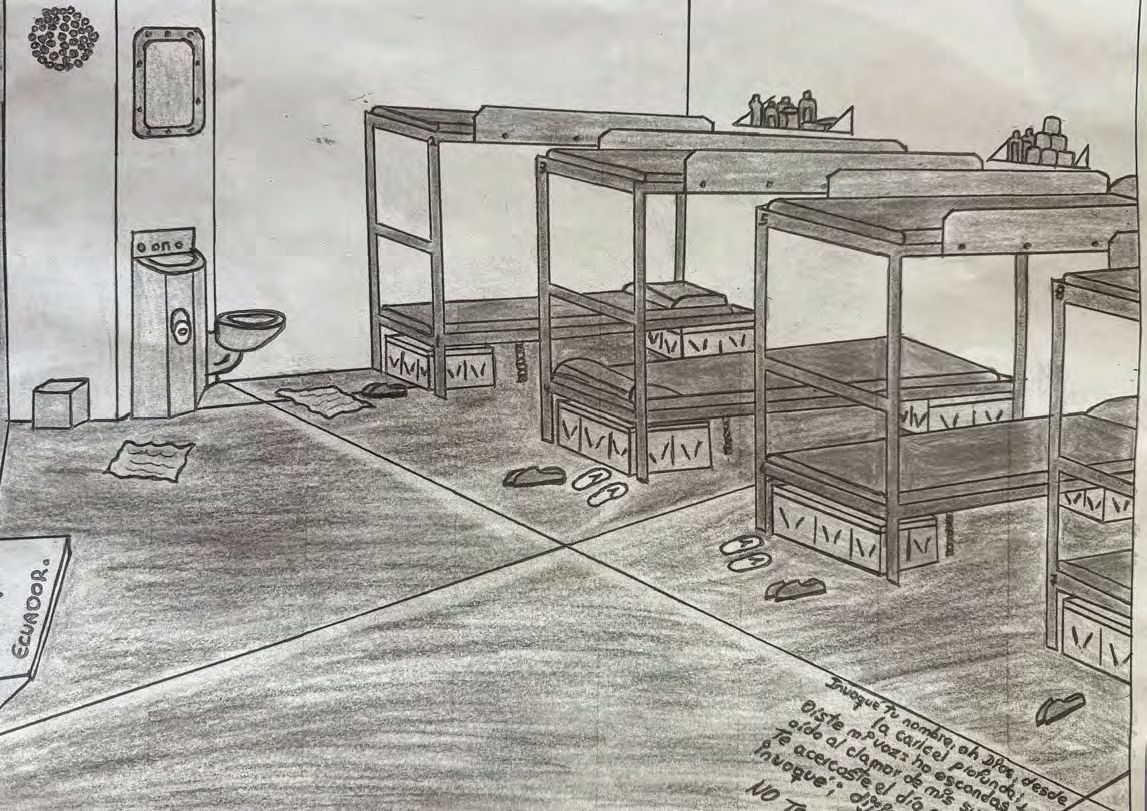
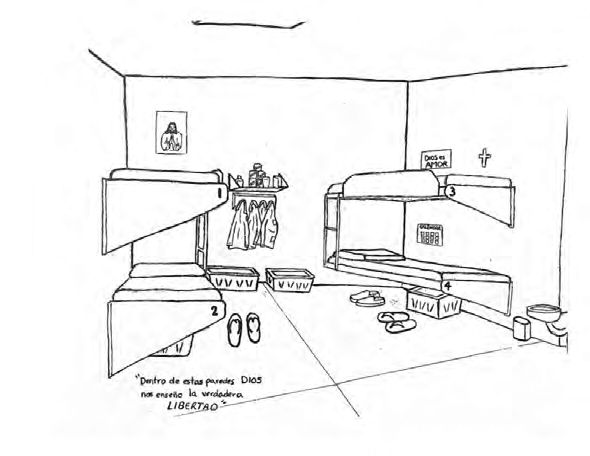
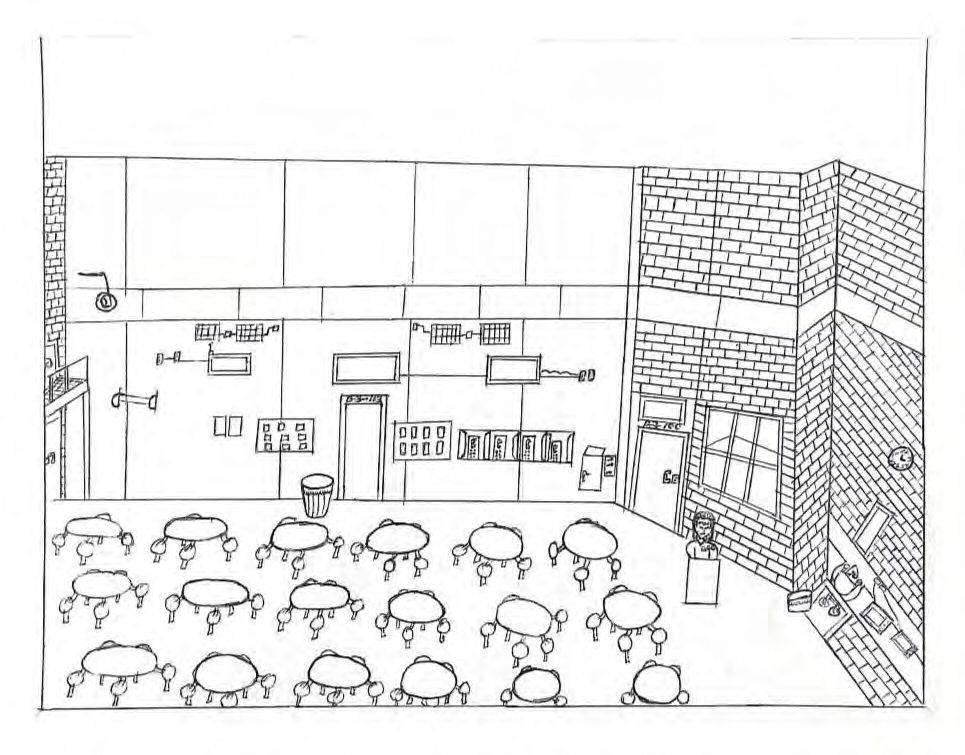
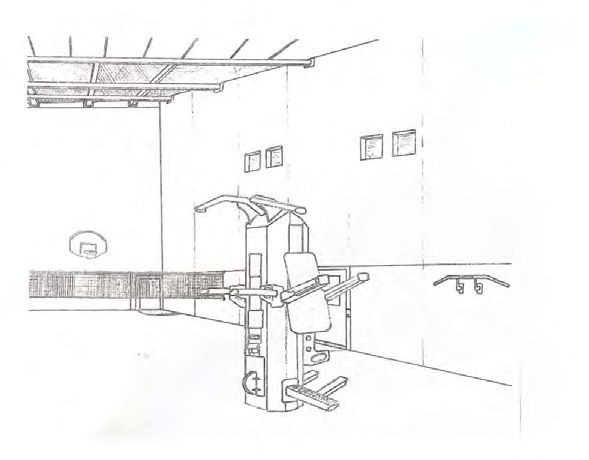
A LOOK INSIDE
These photos were drawn in 2023 by an individual during his time in detention and shared with Casa de Paz. In his home country, he worked as an architectural engineer. He used his professional drawing skills to accurately depict what it looks like inside the men’s dorms on the North Side of Aurora GEO.
Extreme Temperatures
20.7% (n=17) of the 82 mentions surrounding Living Conditions had to do with the extreme temperatures. Of those mentions, nearly half (47.1%, n=8) described how hot or cold it was according to the time of day or season. The majority stated it was always cold but more notably so during the day and summer, while two comments described being too hot at night or during the winter. Half as many people who described extreme temperature issues attributed it to excessive air conditioning in the building (23.5%, n=4 ). Comments surrounding it being too cold often made note of the need for blankets and/or additional jackets to keep warm. This is an issue so prevalent that individuals have resorted to acquiring additional means to stay warm, which can land them in trouble with guards.
"She mentioned that it is really cold not only because of the dropping temperatures outside but because they have the AC on and it is very strong. The blankets that they are provided with are not enough to stay warm, sometimes they ask for the blankets of the people that are leaving. This is a risk because they can get in trouble and if they are caught they will take away their extra blankets or towels."
$1 per Day “Voluntary Work Program”
18.3% (n=15) of mentions on Living Conditions noted the existence of and people’s participation in the detention center’s various labor programs, or as they call them, “Voluntary Work Programs”. Five types of labor “opportunities” were mentioned - kitchen/food service (41.7%, n=5) , laundry service (33.5%, n=4), the barbershop (8.3%, n=1), cleaning dorm service (8.3%, n=1 ), and painting walls (8.3%, n=1).
Respondents noted that the kitchen service prepares food for roughly 1,200 people daily and requires a wake-up time of 3am. As for laundry service, clothes are washed once per week and often get mixed up, resulting in people unwillingly sharing clothes and further facilitating the spread of disease. GEO utilizes the individuals who are detained as a replacement work force in the kitchens, laundry, and cleaning, and maximizes its profit by significantly underpaying this work force.
Every job provided for individuals detained at the GEO facility pays only $1 daily. On ICE.gov’s official website, they say this about their “Voluntary Work Program”:
This detention standard provides detainees opportunities to work and earn money while confined, subject to the number of work opportunities available and within the constraints of the safety, security and good order of the facility. While not legally required to do so, ICE/ ERO affords working detainees basic Occupational Safety and Health Administration (OSHA) protections.
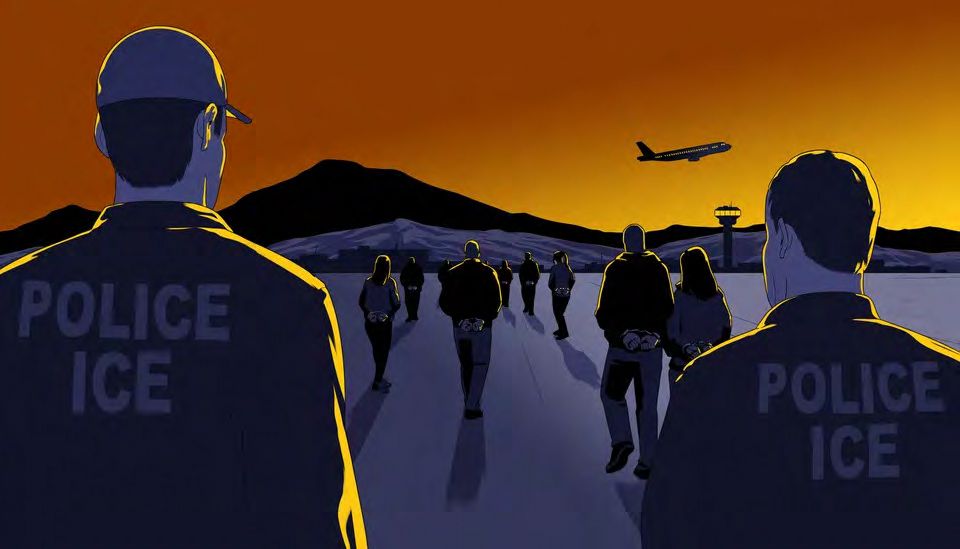
It is no mistake that people without citizenship, who are legally barred from having lawful employment for months, if not years, while they navigate court proceedings and expensive applications, are suddenly “legal enough” to be considered “employable” while in detention. In this setting, they can be severely exploited for their labor - working for 13 cents an hour up to eight hours a day, without GEO being “legally required” to provide them with the same workers rights and workplace safety conditions as someone who isn’t detained.
History of $1 per Day “Volunteer Work Program”
“Compensation” for labor by people det ained by immigration enforcement dates back to the Immigration and Naturalization Service (INS), a precursor to ICE, in 1950 when Congress passed 8 U.S.C. § 1555(d) authorizing INS to pay for “voluntary” labor in its detention centers. The rate INS paid detainees in 1950 was $1 per day. That rate has not changed in 76 years. (Sinha, 2015)
In 2014, Alejandro Menocal and eight others formerly detained at ICE GEO Aurora sued GEO Group, Inc. in a class action lawsuit on behalf of all those who have been detained for wage theft and violating the federal ban on human trafficking and forced labor. The lawsuit specifically names the $1 per day “Volunteer Work Program” as well as ICE’s Sanitation policy which requires inmates to clean not only their cells, but entire facility pods for no pay. Those who refused were subject to escalating punishments by ICE GEO Aurora’s staff, from having their phone and video call privileges revoked to being locked in solitary confinement. (Menocal, 2014) As noted in our section on Guard Behavior, those in the Aurora Detention Center have described solitary confinement as having little if any light, subject to extreme temperatures without adequate blankets or jackets, and receiving food only once per day.
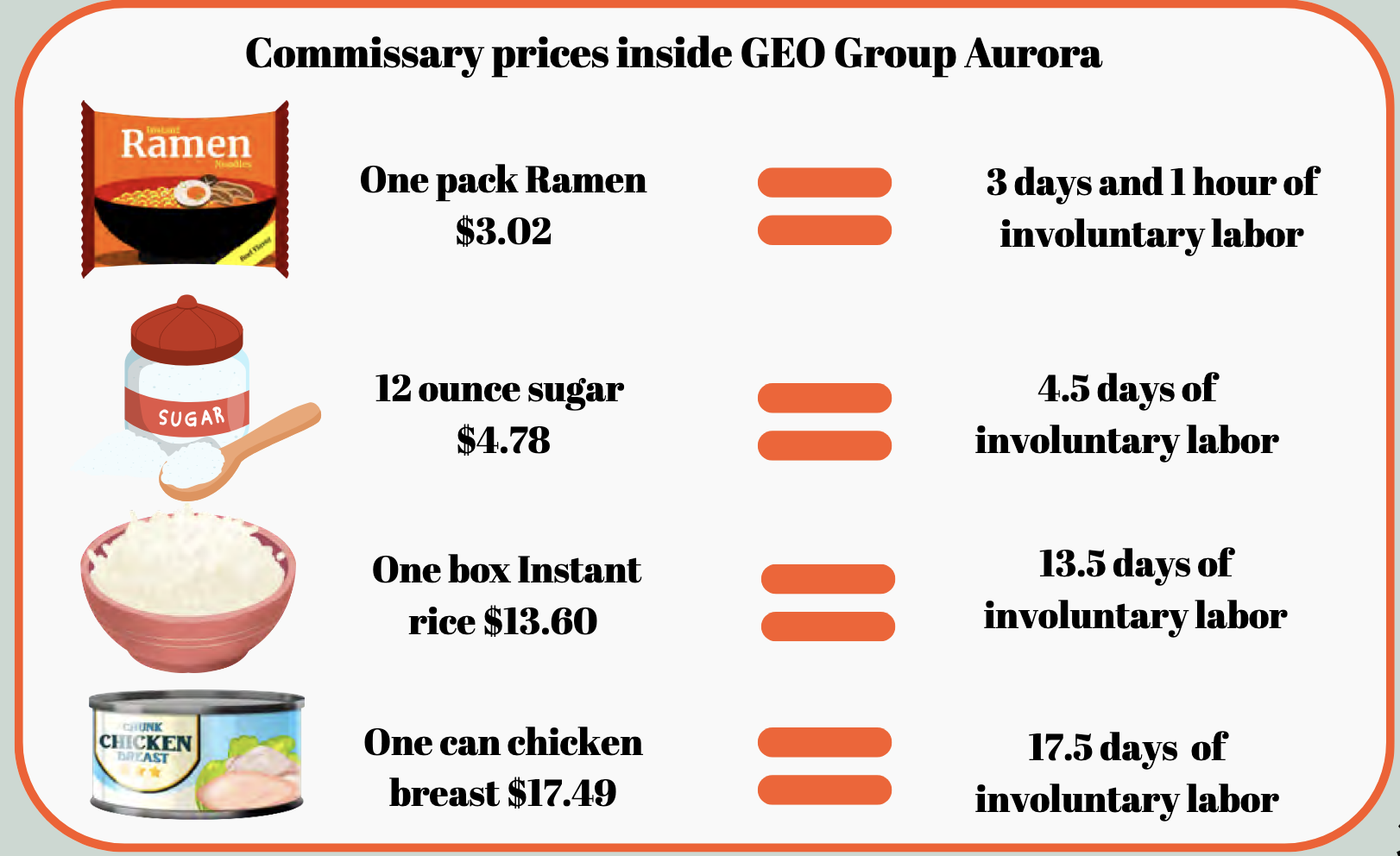
Colorado’s mandated minimum wage as of 2026 is $15.16 per hour. Those detained by ICE in the “Voluntary Work Program”, when they are paid for their labor, receive $0.13 per hour. At that rate it would take a person detained by ICE 117 hours inside to make the mandated minimum wage of a single hour outside. At the same time, those detained are being charged $17.50 for a single can of chicken breast. In 2026, GEO Group, Inc. reported an annual profit of $254.4 million dollars - a 797% increase over the previous year. (The GEO Group, 2026)
Sharecropping by a Different Name
Often times, whatever small amount has been earned from working days on end for $1 per day is then paid back to GEO Group in the form of commissary or phone calls. People detained often use their earnings to call loved ones; one 30-minute phone call costs $5 (an entire week of work). Individuals will alternatively supplement their nutritionally vapid diet with junk food from commissary. This arrangement is reminiscent of the US’s recent past with sharecropping, where recently freed Black Americans worked for wealthy white land owners for a portion of the crops, and would often exchange the remainder of their earnings in the form of credit at on-site stores also owned by the land owners for all their essential goods and personal shopping. People who sharecropped were underpaid for their labor, overcharged for their purchases, and trapped in a cycle of debt that kept them enslaved by a different name.
At the Aurora GEO facility, the illusion of choice is perpetuated by calling it a “volunteer” work program, or an “opportunity”, when they are severely underpaid for how much they are expected to work, exponentially increasing the facility’s profit margin for labor costs that would legally constitute slavery outside of the facility walls. Outside detention, workers have rights that they have fought and sacrificed for, including OSHA. Inside detention, they are “detainees” or “illegal aliens”, titles that in effect strip them of their humanity and respective human rights.
Sleep Issues
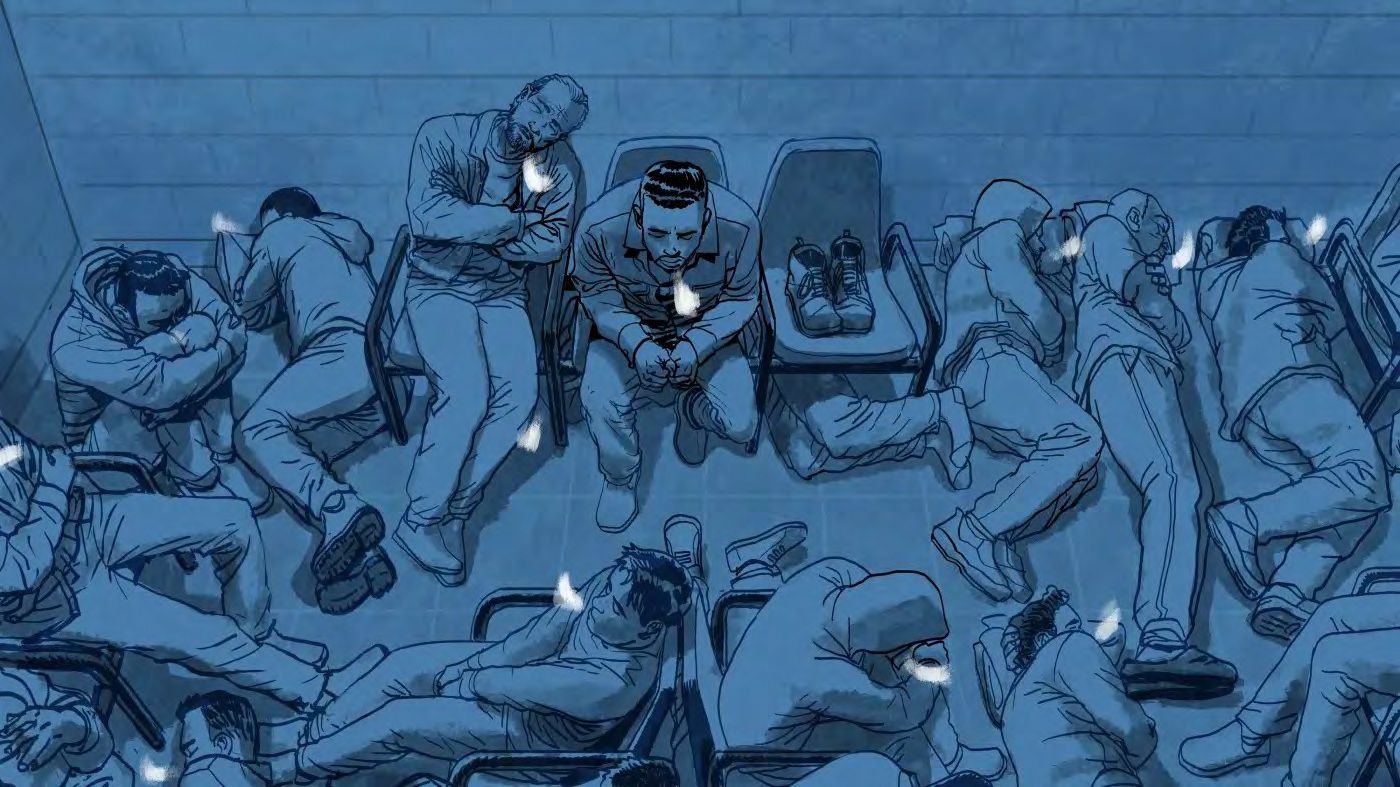
The third most mentioned theme under Living Conditions was issues sleeping (15.9%, n=13). People detained describe the extreme temperatures in the facility, most often extreme cold (75.0%, n=3 ), as being a top reason for lack of sleep. Unfortunately this is not unique to Aurora GEO - it echoes what has been happening at immigrant detention facilities across the nation for years (Americans for Immigrant Justice, 2015). Some sleep next to cold walls or blasting air vents, often in need of additional layers yet only afforded one extra blanket each - taking blankets from those who have left leads to punishment.
Counts & Transfers
Others mention losing sleep by being woken up at odd hours - whether for medical checks between 1am and 3am, the kitchen labor program’s 3am start time, or just generally at 7am after long, restless nights. Two anecdotally shared reasons not mentioned in this set of submissions are daily counts, and deportations or transfers. Counts have been known to happen at 4:30am, 9am, 4pm, and 10pm daily. This is when guards trap everyone in their cells for one to two hours and individually count each person until everyone in every pod in the entire facility has been accounted for. This can delay meals and visitations from loved ones, which can then be cancelled moment-of, in some cases requiring visitors to return on a different day. Deportations or transfers out of the facility can happen between 3am and 7am. Two people reported not being given anything to eat or sleep mid-transfer, the reason given that the stop was only for one day and night and they’d be transferred again in the morning.
Other Reasons for Lack of Sleep
Some other reasons people cannot sleep: untreated medical conditions, from exacerbated mental conditions like PTSD (whether personally battling it or listening to the endless cries and screams of suffering peers) to untreated dental pain; painfully uncomfortable beds; and the lights and TV, at high volume, remaining on 24/7. Systemic sleep deprivation, as described here, is recognized internationally as inhumane and a form of torture - and must end.
Extracurriculars
Though less commonly mentioned, over-sleeping also occurs. When this happens, it can be symptomatic of extreme depression and/or sheer boredom. Without ways to keep the mind and body engaged, days drag on in monotony, court dates become a measure of passing time that replace celebrations of anniversaries, birthdays, and holidays, and pre-existent or newly acquired mental and physical conditions rapidly worsen. Extracurriculars are a necessary yet sorely lacking component of immigrant detention that allow the mind to momentarily escape what the physical body cannot; they allow people to feel more like human beings in a place that exists to dehumanize them.
"Boredom is the enemy in here. I have been sick on and off since the beginning of December. I think it’s because we can’t go outside and I haven’t seen the sun. I haven’t been outside since November."
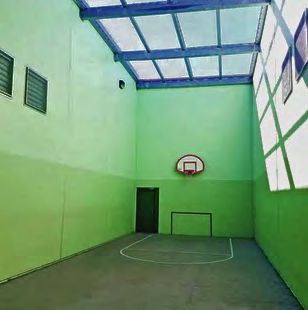
Photo credit: GEO Group
Half of the mentions relating to extracurriculars reference lack of outside access. One person recounts being too exhausted to go outside when guards attempted to wake them at 7am to do so. Another says “access to outdoor time will be cut without explanation”. Several specifically talked about not being able to see the sun or the sky - one of whom, in his two months of being detained, has “only seen the sky through wire-reinforced prison glass”.
GUARD BEHAVIOR
If any one person in the detention center does something wrong, they will punish us all. For that reason, they would take away everyone’s access to microwaves, tablets, access to phones. Even for small little things. If people were verbally arguing, they would be put in solitary without access to anything except food.
Solitary Confinement
Solitary confinement was the leading complaint regarding guard behavior (20.6%, n=14). Complaints encompass being denied access to privileges while in solitary confinement, timeframes assigned to individuals, and punishing people who were victims of harassment or violence instead of the perpetrators. Individuals who had been in solitary reported only being granted access to food (though not every meal) and a shower, while being ignored when requesting phone use and denied access to commissary and visits. The state of Colorado banned prolonged solitary confinement in 2017 (Associated Press (KUSA) 2017). While the majority of individuals reported being subjected to solitary confinement within the legally allotted 15-day timeframe, one individual’s response indicated a solitary confinement stay of over 3 months. The reason: they physically refused deportation, likely from fear of knowing that the fate awaiting them would be much worse.
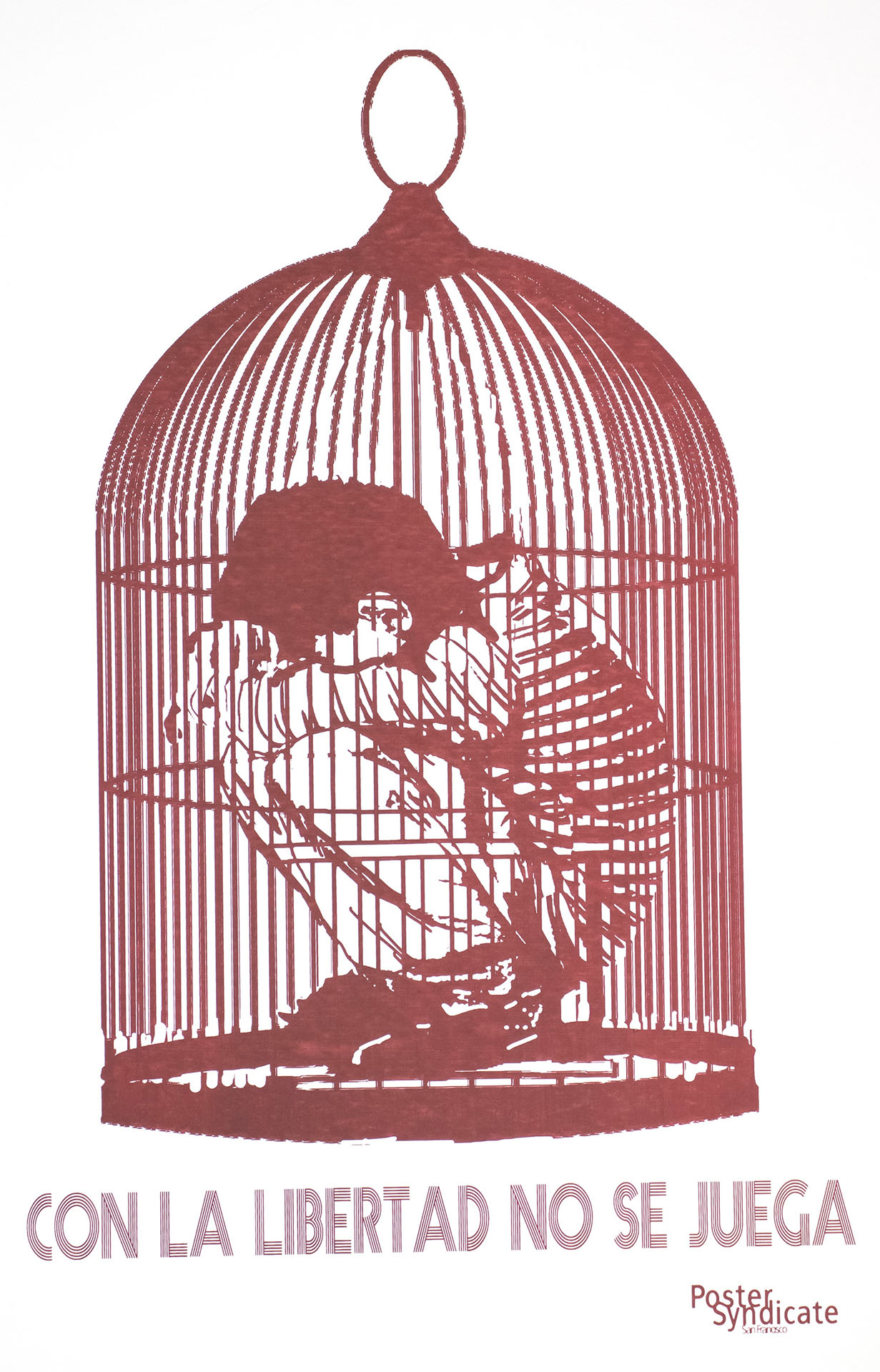 Artwork Credit: Poster Syndicate
Submissions indicate no predetermined standard for placing people in solitary. Verbal altercations amongst people detained can result in solitary, and guards even placed an individual who was assaulted by their bunk mate in solitary. Subjecting individuals to solitary confinement breeds a torture-filled environment in an already stressful situation, increasing the likelihood for mental health decline.
The severe and often irreparable psychological and physical consequences of solitary confinement and social exclusion are well documented and can range from progressively severe forms of anxiety, stress, and depression to cognitive impairment and suicidal tendencies.
General Attitude
Of the 11 mentions of guards’ attitude towards people detained, 36.4% (n=4) specifically named being treated inhumanely, or “like animals”. A few respondents added that they acted “like ICE” in their general aggression and disrespect towards those in detention.
I don’t know if they treat us bad because they're racist or because of the color of our [orange] uniforms. The new ones are a little worse, they act like they're part of ICE, part of the system, like they've chosen this job just to mistreat us. It's half-half - some treat it like a job, others do it to fuck us over. The bosses in white do treat us ugly, they're trash. They have to show they're in charge.
Arbitrary & Capricious Action
Individuals reported numerous instances of retaliatory guard behavior towards people who are detained. A total number of 9 mentions (13.2%) include punishing tablet-usage, dumping out commissary items stored in a facility-issued container by bedside, having an extra storage container, or getting in trouble for using additional blankets in an attempt to stay warm. An individual reported being placed in solitary confinement after a guard denying them food tripped while ripping a tray of food from their hands. Though the guard claimed assault, which resulted in their immediate transfer to solitary and release to a part of the facility for individuals of increased perceived threat, their immigration lawyer was able to request video evidence that ultimately showed that the individual did not assault the guard. The capricious disciplinary action by the guard had real consequences on a human being detained, and had they not had a lawyer to intervene on their behalf, it could have destroyed their immigration case.
Throwing Away Personal Items
Reports of guards throwing away personal items are mentioned in submissions 6 times (8.8%). An entry highlights individuals unable to purchase items from commissary may at times save food from the regularly scheduled mealtimes for later, but guards collect it and throw it away. Another respondent witnessed guards throwing clothing and commissary items on the floor and taking them away.
Abuse
Physical and verbal abuse are referenced in individual responses. A respondent reported that a guard and employee dressed in plain clothes intimidated and psychologically berated them when receiving food while in solitary. The individual suspects their food was mishandled, and has a lack of trust eating anything delivered by a guard and not a nurse. Staff responded by telling the individual they “would send the food to be tested in a lab”. Respondents mentioned instances of abuse 5 times (7.4%), including guards aggressively touching individuals detained. The isolated nature of detention alone traumatizes individuals - adding abuse exponentially increases the long term implications detention has on a person’s psyche and capacity to be reintegrated into society when released.
Collective Punishment
Respondents mentioned collective punishment 5 times (7.4%) when describing how guards remove privileges from entire groups in response to the actions of one person. One person described the removal of TV access from an entire pod because someone was working out in their cell during a count. Another said “when someone fights, [we] are all punished by getting locked up for up to three days”. Other items or services revoked include microwave, phone, or tablet usage, or access to the outdoors. Collective punishment can pin individuals against each other, leading to further conflict and resulting in repeat offenses. The cycle this creates also decreases the ability of an individual winning their immigration case by arguing against their character. The facility also collectively punishes people detained when community organizes outside the facility. Despite years of peaceful protests, the facility shuts down visitation and deactivates tablets and the phones, even when the group outside is fewer than 10 people.
HR/Operational Issues
HR/Operational Issues were mentioned by respondents 4 times (5.9%). An individual mentioned they were unable to speak with a supervisor after requesting and waiting up to three hours to do so. Another described being unable to report incidents. During the month of December, as a result of employees going on vacation, respondents reported that a pod originally populated by 20 people was filled with 60 individuals to accommodate for a lack of staffing. Lack of training and high turnover were observed by those detained and described in submissions. Guards trained to treat people with decency and humanity should be a minimum requirement, let alone being trained on the rest of their job duties.
FOOD INSECURITY
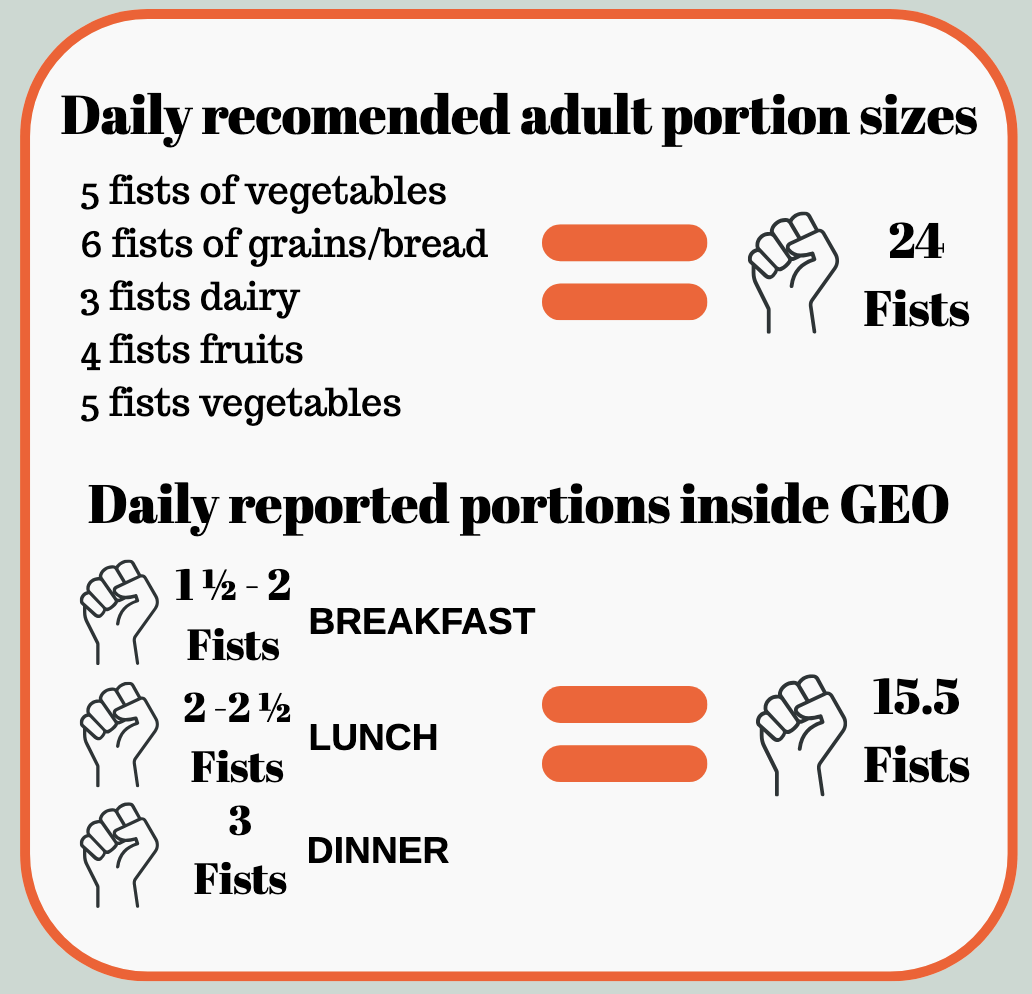
Lunch today was a ⅓ cup of beans, ¼ cup canned corn, 1 to 2 pieces of lettuce, a half a piece of bread, and a baby’s spoon sized serving of something unidentifiable without color, no condiment
We calculated this lunch contained 198 calories,
well below the minimum needed for health.
An adult should receive a minimum of 500 calories
per meal for a minimum of 1,500 calories per day.
People detained consistently reveal violations of ICE’s policies regarding Food Service standards as published on their website. The following sections denote what those specific guidelines are while providing testimony of “standards” being out-right ignored.
Food Safety Provisions
Food Safety Provisions entails commentary from people detained as they relate to procedural food preparation standards, such as maintaining food at a certain temperature and protecting it from spoil. Unfortunately this was the top response from respondents - with most describing becoming ill shortly after eating the food, as well as receiving cold, spoiled, and stale food, and not having dietary restrictions respected. This contradicts various expectations surrounding food safety provisions published on the ICE.gov website:
- Detainees, staff and others shall be protected from injury and illness by adequate food service training and the application of sound safety and sanitation practices in all aspects of food service and dining room operations...
- Stored food goods shall be maintained in accordance with required conditions and temperatures...
Another ICE Food Service policy describes not only allowing individual menu preference, but states “individuality in menu planning is encouraged”:
- Food service personnel shall provide nutritious and appetizing meals. Nutritional needs are diverse because of differences in age, activity, physical condition, gender, religious preference and medical considerations. Food service personnel shall accommodate the ethnic and religious diversity of the facility’s detainee population when developing menu cycles. While each facility must meet all ICE/ERO standards and follow required procedures, individuality in menu planning is encouraged.
- Therapeutic medical diets and supplemental food shall be provided as prescribed by appropriate clinicians.
People detained reported, in the form of complaint submissions (n=2) as well as anecdotally, being prescribed doctor-mandated diet specifications for a variety of medical conditions, like diabetes and GERD, not being provided the appropriate options. The facility purports to have vegetarian and gluten free options as well as kosher and halaal, but people must fill out repeated ‘kites’ or requests to receive those diets, like the one below.
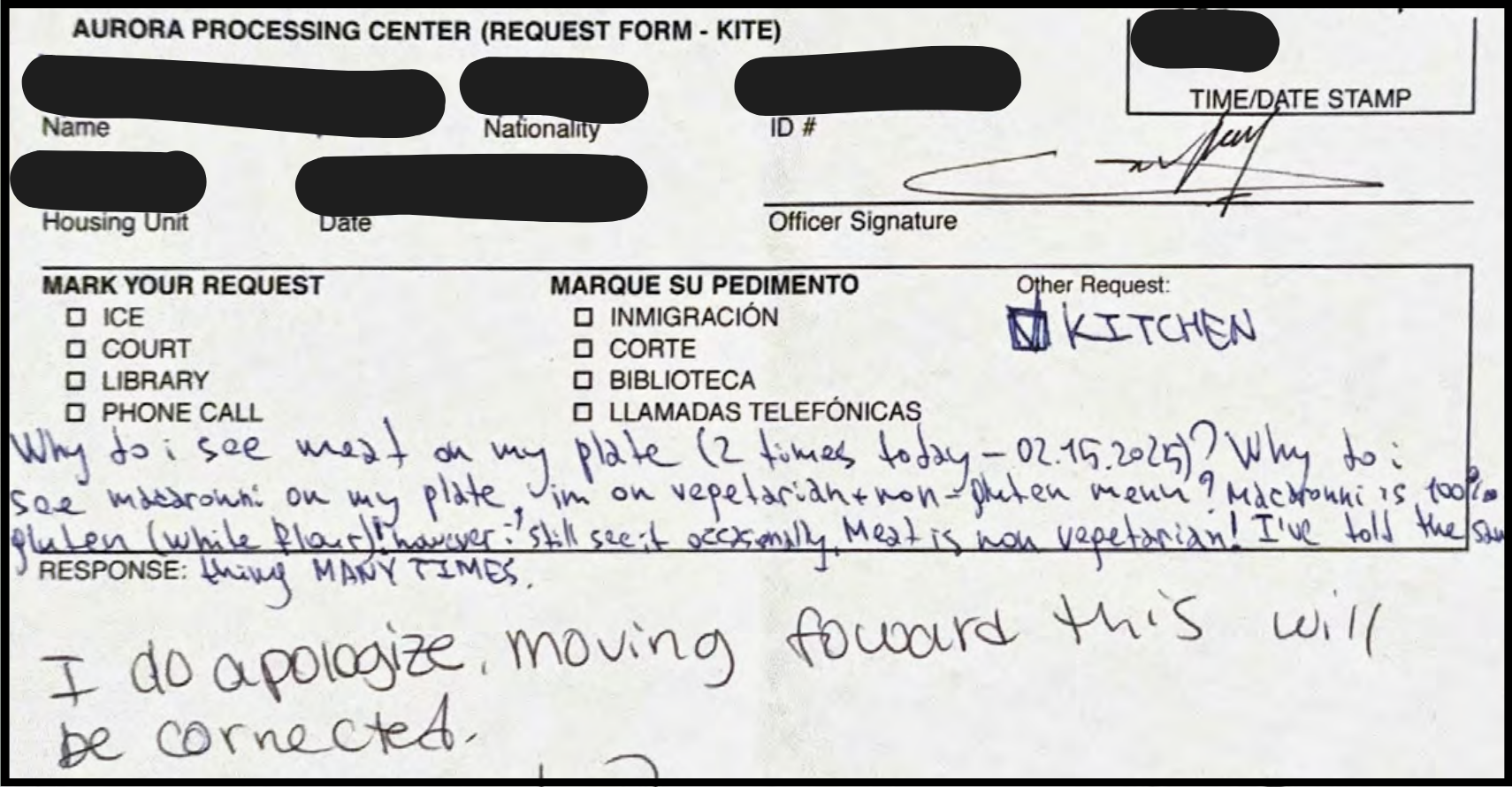
Request Form Credit: anonymous person formerly detained at GEO
Food Lacks Variety & Almost Exclusively Processed Items
The majority of fruits and vegetables provided to people are canned or processed. Only three types of fresh produce were reported. Small lunchbox size apple, baby carrots and 1-2 pieces of lettuce. The provision of fresh produce is intermittent and offered 1-2 times per week only.
I haven’t had fresh fruit or vegetables for 8 months.
Beans, bread, cheetos, ground beef, hot dogs, oatmeal and canned peas were the most frequently offered items on the menu. People report the same items being served for 7-10 days with no variance.
Deprivation of Food as Punishment
10.9% (n=5) of Food Insecurity mentions were related to food being withheld or taken. R espondents reported that guards threw away their commissary items or food they had saved from a meal and others had it withheld from them as punishment, often an entire cell or pod.
During a recent outbreak of a flu-like illness, many people were too weak to leave their bed to retrieve their tray. Guards would not allow other people detained in the pod to take sick people their tray. Guards refused to deliver the trays to sick people.
Guards often use a snack sized bag of chips as “payment” for a day’s work since there are not enough “positions” for the $1 per day slots. If people refuse to work for $1 per day or accept a snack as payment, they are often placed into solitary confinement, or their cell has food withheld. See our section on Living Conditions for more information.
Despite these accounts, Food Service standards explicitly claim on ICE.gov’s website, “Food shall never be used for reward or punishment.”
Portions Violate ICE Guidelines
According to the ICE.gov website:
All detainees shall be provided nutritionally balanced diets that are reviewed at least quarterly by food service personnel and at least annually by a qualified nutritionist or dietitian.
Despite being policy, first-hand reports reveal that portion size and caloric intake of meals are dangerously low.